At Jet Wash, we understand that maintaining the appearance and integrity of aircraft is paramount—not only for aesthetics but also for safety. Non-adherence to proper washing and cleaning procedures can lead to significant safety issues, as illustrated by real-world incidents. This article sheds light on the critical importance of following established protocols during aircraft cleaning services.
Did you know... The largest aircraft disaster in history, was because of a CLEANER!
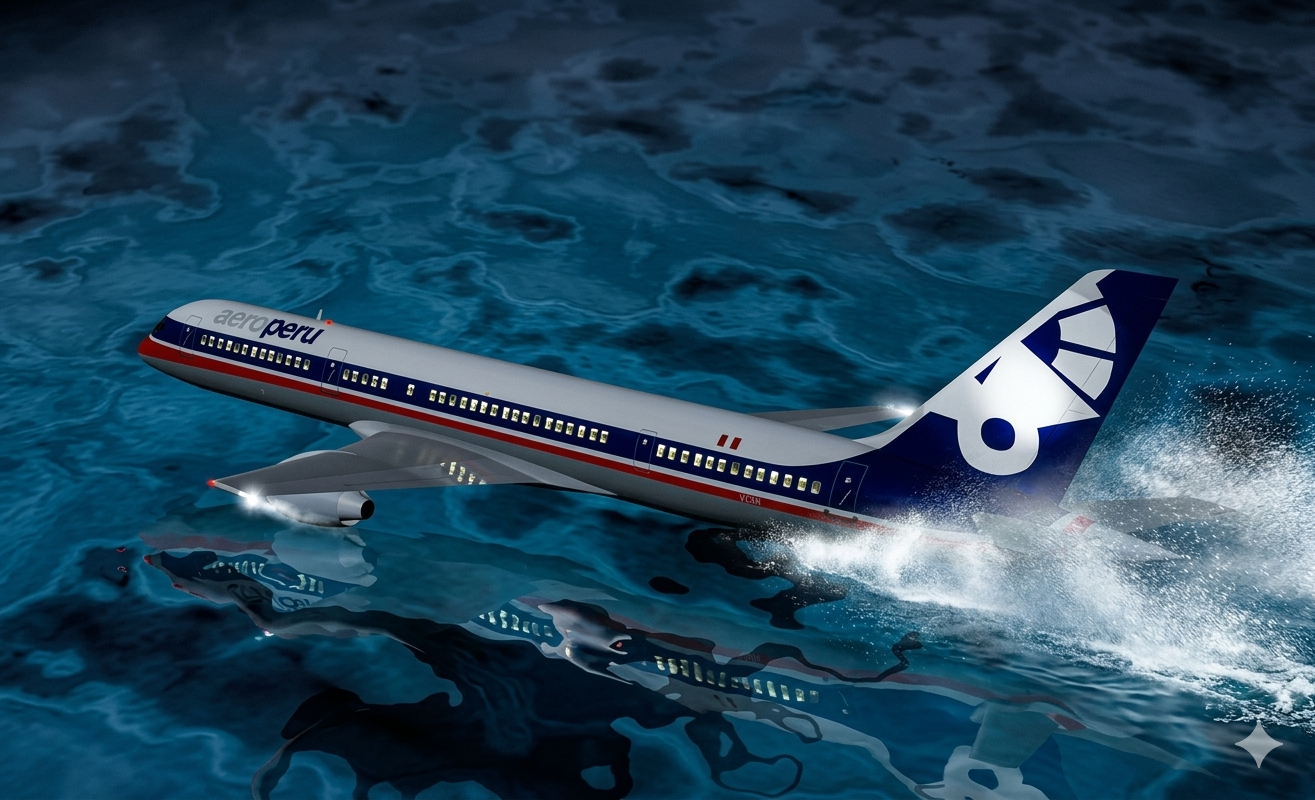
Aeroperú Flight 603 - Watch Video
Ensuring Aircraft Safety Through Proper Washing and Cleaning Procedures
At Jet Wash, we understand that maintaining the appearance and integrity of aircraft is paramount—not only for aesthetics but also for safety. Non-adherence to proper washing and cleaning procedures can lead to significant safety issues, as illustrated by real-world incidents. This article sheds light on the critical importance of following established protocols during aircraft cleaning services.
The Importance of Compliance
Even routine maintenance activities, such as washing the exterior or detailing the interior, require strict compliance with industry standards and guidelines. Failure to adhere to these practices can result in compromised operational safety. The Aircraft Maintenance Manual (AMM), Structure Repair Manual (SRM), and Tool and Equipment Manual (TEM) provide clear instructions on the correct procedures and equipment necessary for these tasks.
Case Study: Incident Analysis
**What Happened?**
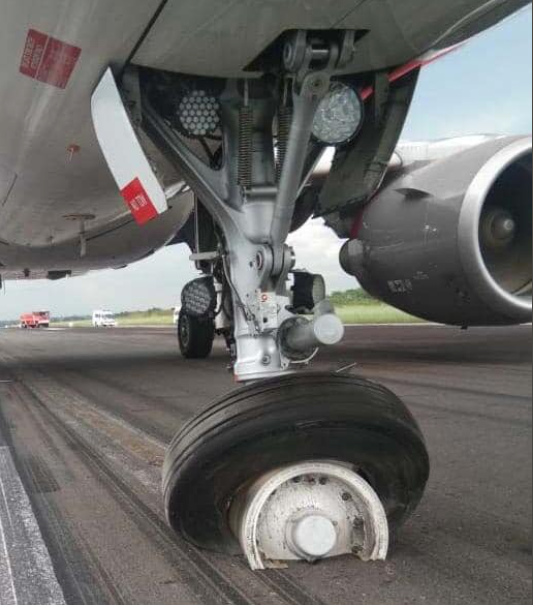
A routine landing operation of an A320 concluded with the Nose Landing Gear (NLG) positioned approximately 90° from the aircraft's centerline. Fortunately, the aircraft landed safely but sustained damage to the NLG.
**What Caused the Incident?**
Upon inspection, traces of water were found in the Nose Wheel assembly. This incident underlines the critical nature of adhering to proper washing techniques, highlighting how deviations can lead to unforeseen mechanical failures ...even a disaster.
Jet Wash Commitment
At Jet Wash, we prioritize safety by strictly following the industry’s best practices and using the correct equipment specified in the AMM, SRM, and TEM. Our trained professionals carefully execute cleaning and detailing services tailored to the unique needs of airlines, private jets, and corporate jets, ensuring that every aircraft maintains both its pristine appearance and operational integrity.
By choosing Jet Wash, you not only enhance the visual appeal of your aircraft but also safeguard its operational safety. Trust us for your aircraft cleaning needs—where professionalism meets safety.
Case Study 2
What happened?
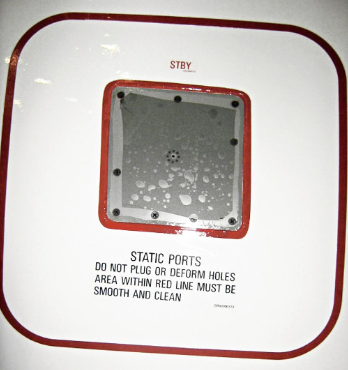
An aircraft was cleaned by a non-certified cleaning company. The operator discovered, before the aircraft
was returned into service, that there was a clear plastic film over one of the static ports that was almost impossible to detect visually.
If the clear plastic film had not been discovered and removed, it would have caused incorrect indications on the related cockpit instruments
Why did it happen?
Inadequate protections were applied during aircraft cleaning in such a way that they were difficult to see from the ground. As a result, they were not removed after the cleaning job was done.
The transparent plastic was only noticed because of the presence of air bubbles under the film.
A clear plastic film over the static ports was left on the aircraft when it was handed back to the operator
Lessons learned
Follow the AMM and SRM instructions for cleaning and detailing as summarized below:
Aircraft Maintenance Manual (AMM)
In AMM chapter 51-75-11 PB 701 – cleaning/ detailing, the following Warning and Caution are included:
The “Caution” provides a list of materials, areas, and parts for which a correct protection from cleaning are required. This list includes:
Rubber, all composite parts, acrylic materials, aerodynamic smoother, metal bonded edges, pitot tubes, sensors, static ports, engine air intake, pre-cooler air outlet screen, engine exhaust duct, APU exhaust, APU intakes and outlets, air conditioning ram air inlets, landing gears, door seals, access doors, cab-in window and windshield panels and seals, electrical equipment and cables, plastic materials, external ski panel joints, high strength steel parts, drain holes, vents, and all antennas.
The “Warning” notice highlights that adhesive tapes must not be applied on the probes, ducts, and sensors (static, pitot, TAT, AoA). Only specified tools should be used to seal the aircraft, which will ensure:
Correct protection of the aircraft equipments
Good visibility from the ground
Ease of removal
The Warning notice also explains how the incomplete removal of tapes or tape adhesive from probes, ducts or sensors may lead to incorrect indications on the related cockpit instruments.
Tool and Equipment Manual (TEM)
The description of the protective equip-ments is given in the Tool and Equipment Manual (TEM)
Structure Repair Manual (SRM)
Chapter 51-75-11 contains recommendations for cleaning & detailing. The SRM provides also cautions in chapter 51-75-12, Repair of Paint Coatings, about the materials, areas and parts affected by the cleaning activities, which must be properly protected. A caution includes instructions to remove all masking materials upon work completion, with a special attention to pitot heads and static ports.
Case Study: Incident Analysis
**What Happened?**
Thousands of passengers stranded after plane-cleaning debacle poses fire hazard
**What Caused the Incident?**
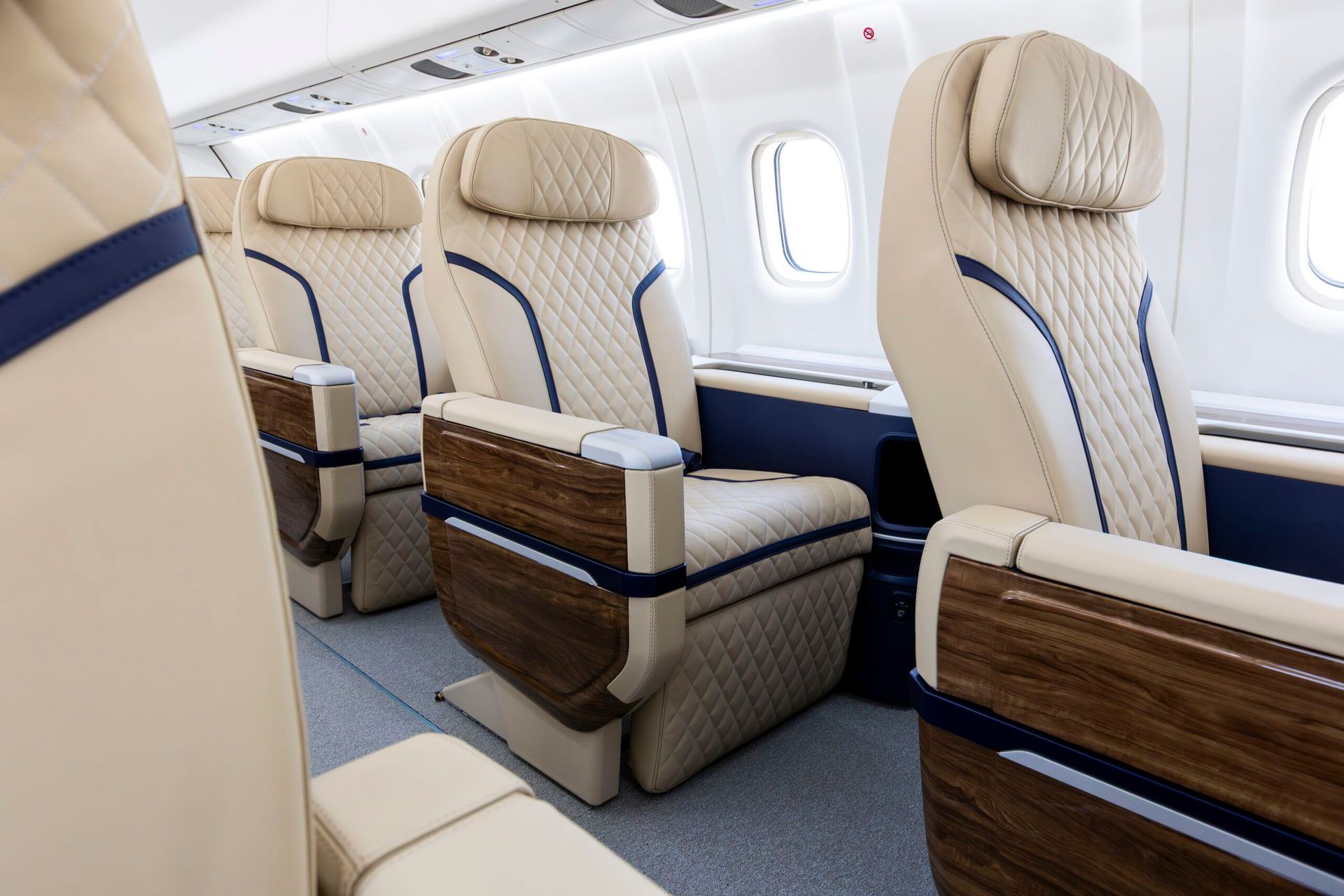
Finnair had temporarily grounded eight A321 aircraft and cancelled flights after seat covers were incorrectly washed with water, compromising the effectiveness of fire-retardant coatings. The carrier stated that the impact on safety is unverified, leading to the suspension of operations to ensure compliance with maintenance protocols.
Air Carrier Commitment
Despite the mass disruptions, airlines spokespeople assured flyers that safety is “always our top priority, and we always follow the manufacturers’ maintenance instructions as well as the instructions and recommendations of the authorities.”